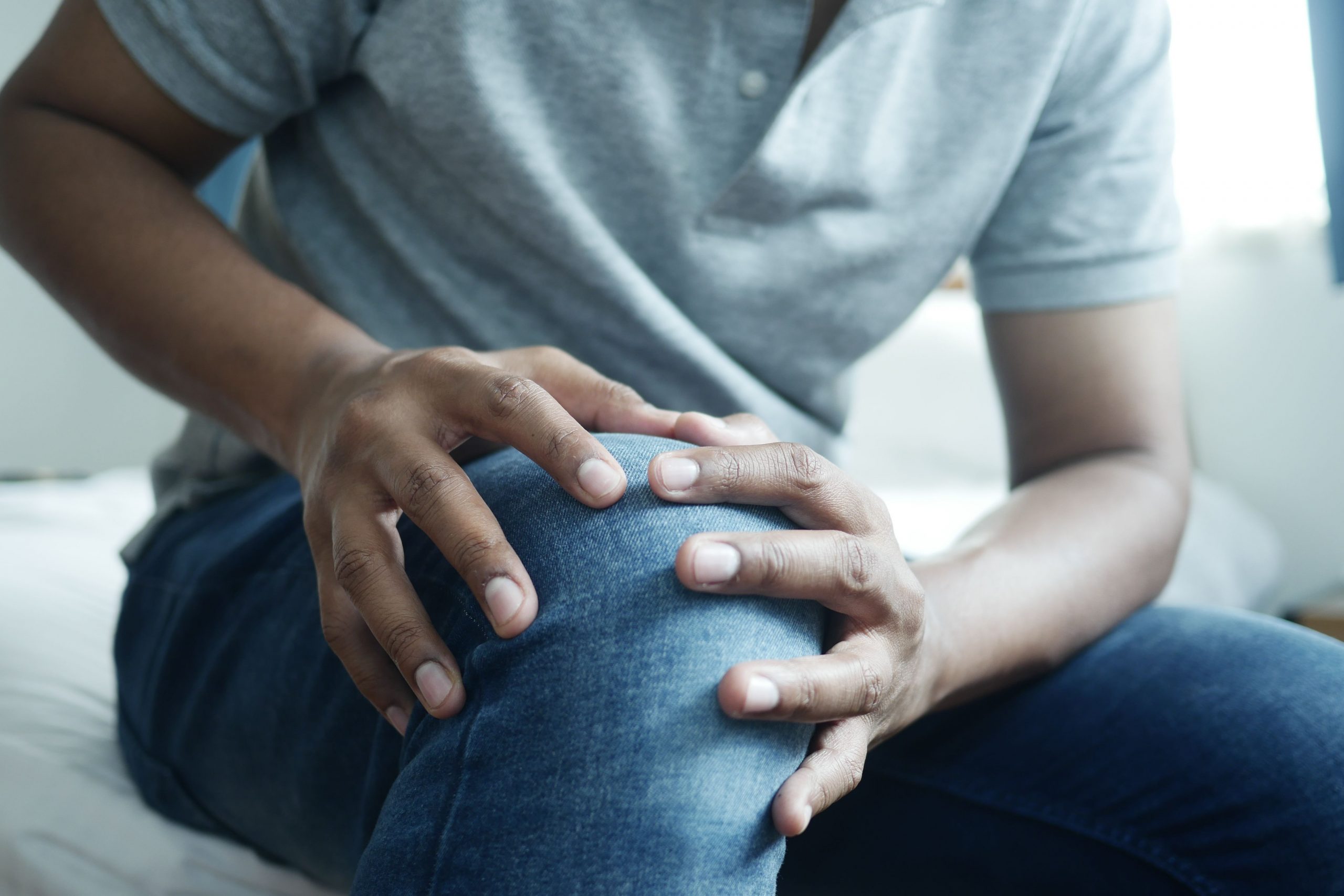

Key Takeaways
- Weight-bearing activities such as walking, hiking, and dancing can help support bone strength by making the body work against gravity.
- Strength training supports bones and muscles while making everyday activities easier to perform.
- Balance exercises can improve stability and help reduce the risk of falls and related fractures.
- Exercise routines should match your age, fitness level, medical conditions, mobility, and fracture risk.
- Calcium, vitamin D, protein, and balanced nutrition work alongside exercise to support healthy bones.
- Increasing exercise gradually can reduce injury risk and make physical activity easier to maintain over time.
- People with osteoporosis, previous fractures, or significant mobility problems should seek professional guidance when choosing exercises.
Strong bones help you move, stay active, and complete everyday tasks. Although bone health is often associated with childhood and the teenage years, protecting your bones remains important throughout adulthood.
Bones are living tissue. They constantly go through a process in which old bone is broken down and new bone is formed. As people get older, especially later in adulthood, bone loss may begin to happen faster than new bone formation. Over time, this can contribute to weaker bones and a higher risk of fractures.
Regular exercise is one way to support bone health. Certain activities place healthy stress on bones, encouraging the body to maintain bone strength. Exercise also strengthens muscles, improves balance, and supports coordination. These benefits can help reduce the risk of falls that might lead to fractures.
However, not every type of exercise affects bones in the same way. Your age, current fitness level, medical history, and existing bone conditions should also influence your routine.
Here is how different types of exercise can support your bones and how to build a safer, more consistent fitness routine.
1. Understand How Exercise Supports Your Bones
Bones respond to physical activity.
When muscles pull on bones during movement or your body works against gravity, the bones experience mechanical stress. This can encourage the body to maintain or build bone tissue.
Exercise is especially important during childhood and early adulthood, when people are building bone mass. However, physical activity remains valuable later in life because it can help maintain strength and physical function.
Exercise also supports bones indirectly.
Stronger muscles can make everyday movement easier. Better balance and coordination can reduce the likelihood of falling. Maintaining mobility may also help people stay active rather than becoming increasingly sedentary.
Exercise alone cannot prevent every case of osteoporosis or guarantee that someone will never experience a fracture. Genetics, age, hormones, nutrition, medications, and medical conditions also affect bone health.
Think of exercise as one important part of a larger bone-health plan rather than a complete solution by itself.
2. Include Weight-Bearing Activities

Weight-bearing exercise refers to activities performed while supporting your body weight against gravity.
Walking is one of the easiest examples. Other options can include hiking, stair climbing, dancing, jogging, and certain sports.
These activities encourage the bones in your legs, hips, and spine to handle repeated physical stress.
You do not necessarily need high-impact exercise to support your bones. For many people, brisk walking and other moderate activities can provide a practical way to stay active.
Your choice should depend on your fitness level and health.
Someone who has osteoporosis, joint problems, balance difficulties, or a history of fractures may need to avoid certain high-impact movements. Running and jumping, for example, may not be appropriate for everyone.
If you are unsure which activities are safe, ask a doctor or physical therapist for guidance before increasing the intensity of your routine.
Consistency matters more than choosing the most demanding activity possible.
3. Add Strength Training to Your Routine
Strength training is another important part of a bone-friendly exercise program.
Resistance exercises make muscles work against a force. This force may come from dumbbells, resistance bands, weight machines, or your own body weight.
Common exercises include squats, wall push-ups, rows, step-ups, and resistance-band movements.
As your muscles become stronger, they place stress on the bones where they attach. This process can support bone strength while improving your ability to perform everyday activities.
Strength training can also help preserve muscle mass, which becomes increasingly important with age.
Beginners should focus on proper technique rather than lifting heavy weights. Start with manageable resistance and learn how to perform each movement correctly.
Allow muscles time to recover between challenging strength sessions.
People with osteoporosis, previous fractures, severe arthritis, or other medical concerns should ask a health professional which movements are appropriate. A physical therapist or qualified fitness professional may be able to provide modifications.
4. Work on Balance to Reduce Fall Risk
Exercise for bone health is not only about increasing bone strength. Preventing falls is equally important, particularly for older adults and people with low bone density.
Balance exercises can help improve stability and body control.
Simple activities may include standing on one foot while holding a sturdy surface, walking heel to toe, or practicing controlled weight shifts.
Tai chi and certain forms of yoga may also help with balance and coordination when performed appropriately.
Make safety the priority. Practice near a stable chair, counter, or wall if you are worried about falling.
People who frequently lose their balance should avoid practicing challenging movements alone.
Balance problems can sometimes result from medication side effects, vision problems, inner-ear conditions, muscle weakness, or neurological issues. If you suddenly develop poor balance or dizziness, discuss it with a health care professional.
Reducing fall risk can be especially important for someone whose bones are already fragile.
5. Use Exercise as Part of a Personal Health Strategy
A good exercise routine should match your body rather than simply copy someone else’s program.
Age, medical conditions, past injuries, mobility, medications, available equipment, and personal goals can all affect which activities make sense.
This is where personal well-being planning can be useful. Instead of focusing only on how many workouts you complete, consider how exercise fits with sleep, nutrition, stress, medical care, and your ability to complete daily activities.
For example, someone who works at a desk may prioritize walking and strength training. An older adult worried about falls may place more emphasis on balance and leg strength.
Set goals that are specific and realistic. You might begin by taking a 15-minute walk several days each week or completing two short strength sessions.
Once those habits become comfortable, you can gradually build from there.
A personalized routine is often easier to maintain than a demanding program that does not fit your health or lifestyle.
6. Increase Exercise Gradually
Doing too much exercise too quickly can increase the risk of pain and injury.
If you have been inactive, begin with shorter sessions and lower intensity. Give your muscles, joints, and bones time to adjust.
You can gradually increase how long, how often, or how intensely you exercise.
Avoid changing everything at the same time. For example, if you increase your walking distance significantly, you may want to keep your pace comfortable until your body adjusts.
Pay attention to how you feel during and after exercise.
Mild muscle soreness can occur after unfamiliar activity. Sharp pain, severe joint pain, swelling, chest pain, or significant shortness of breath should not be ignored.
Stop exercising and seek appropriate medical attention if you experience concerning symptoms.
People with existing health conditions may need more specific guidance about safe progression.
Building fitness gradually may feel slow, but it can make regular activity easier to continue over the long term.
7. Do Not Forget Posture and Core Strength
Posture affects how forces move through your body.
Exercises that strengthen the muscles of the abdomen, back, hips, and shoulders can support better body control and movement.
Core strength can also make activities such as standing, walking, lifting, and climbing stairs easier.
However, some movements may need modification for people with osteoporosis, especially if there is a history of spinal fractures.
Repeated deep forward bending or forceful twisting may not be appropriate for everyone with fragile bones.
Instead of choosing exercises randomly, ask a physical therapist about safe ways to strengthen the core and back if you have osteoporosis or significant bone loss.
Good posture during everyday activities matters too. Learn safe techniques for lifting objects, getting out of chairs, and completing household tasks.
The goal is not to maintain a perfectly rigid posture all day. It is to develop enough strength and awareness to move with control.
8. Combine Exercise With Bone-Supporting Nutrition
Exercise works best when the body receives the nutrients it needs.
Calcium is important for bone structure. Food sources can include dairy products, fortified alternatives, certain leafy greens, tofu prepared with calcium, and some fish.
Vitamin D helps the body absorb calcium and plays an important role in bone health.
Protein is also necessary because bones contain protein as part of their structure, and muscles need protein for maintenance and repair.
A balanced diet can provide many of these nutrients, although some people may require supplements based on medical advice.
Do not automatically take large doses of calcium, vitamin D, or other supplements. Excessive amounts may cause problems, and individual needs vary.
A doctor or registered dietitian can help determine whether supplementation is appropriate.
Nutrition and exercise support each other. Strong muscles and bones require both regular physical activity and adequate nourishment.
9. Choose Activities You Can Maintain
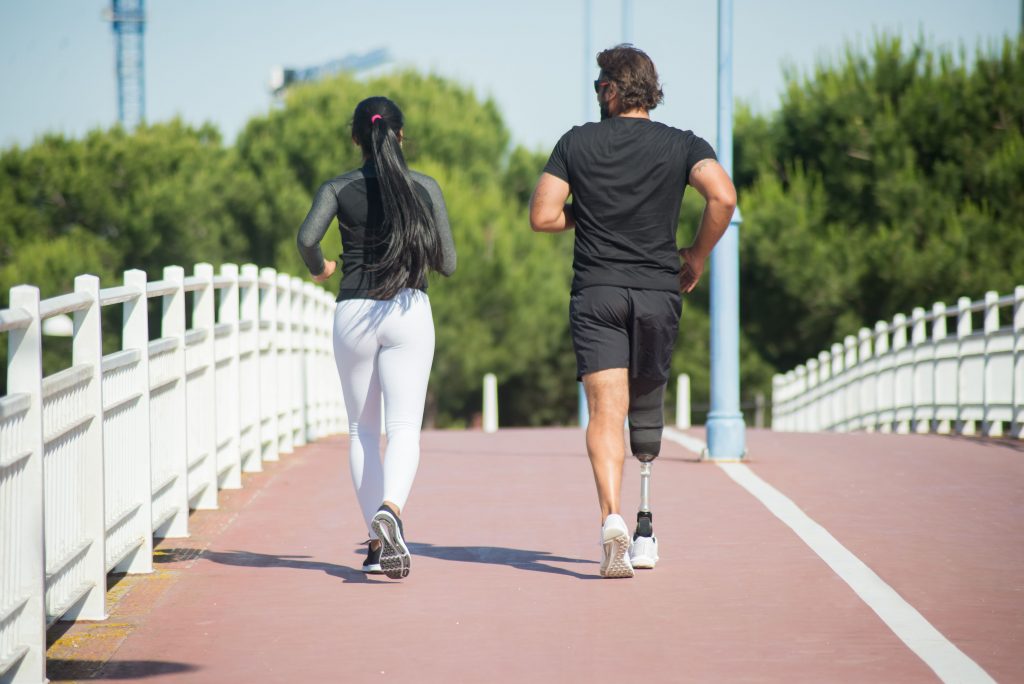
The best exercise program will not help much if you stop doing it after a few weeks.
Choose activities that fit your schedule, abilities, budget, and interests.
If you dislike gyms, walking outdoors, exercising at home, dancing, or joining a community fitness class may be more enjoyable.
If you prefer social activity, exercise with a friend or join a group.
Building sustainable lifestyle habits means creating routines that remain realistic during busy weeks, changes in weather, travel, or periods when motivation is lower.
It can help to schedule exercise at a regular time or connect it with something you already do. For example, take a walk after breakfast or complete a short strength routine before your evening shower.
Do not assume every workout needs to be long. Short periods of activity can still contribute to an active lifestyle.
A routine you can repeat consistently is more useful than an extreme plan you cannot maintain.
10. Know When to Get Professional Guidance
Many people can safely begin moderate physical activity, but certain situations deserve professional guidance.
Talk with a health care professional before starting a demanding exercise program if you have osteoporosis, previous fractures, significant joint problems, heart or lung disease, serious balance problems, or another condition that limits physical activity.
A doctor may recommend a bone density test depending on your age and risk factors.
A physical therapist can help design exercises around injuries, mobility limitations, or fragile bones. They can also teach safe movement patterns.
If you work with a personal trainer, consider choosing someone who has experience working with people who have osteoporosis or other relevant health conditions.
Professional guidance can be especially helpful after a fracture or long period of inactivity.
The goal is not to avoid movement because you are worried about injury. Instead, the goal is to find forms of movement that provide benefits while keeping unnecessary risks low.
11. Support Bone Health Beyond Your Workouts
What you do outside your exercise sessions also matters.
Long periods of sitting can reduce overall activity, even if you exercise occasionally. Look for opportunities to stand, stretch, or walk during the day.
Avoid smoking because tobacco use can negatively affect bone health along with many other areas of the body.
Alcohol intake also deserves attention. Heavy alcohol use may increase health risks and contribute to falls.
Review medications with your health care professional because some medications can affect bone density or increase dizziness and fall risk.
Keep your home safer as well. Improve lighting, remove clutter from walkways, secure loose rugs, and install handrails where needed.
These changes may not directly make bones stronger, but they can reduce the chance that a fall results in a serious injury.
Bone health is influenced by daily habits as well as structured exercise.
12. Measure Progress in More Than One Way
Bone health changes slowly, so you may not see immediate results from exercise.
Instead of judging progress only by bone density, notice improvements in strength, balance, endurance, mobility, and confidence.
Perhaps you can walk farther without getting tired. Maybe climbing stairs feels easier, or you can stand from a chair with less effort.
These improvements can make a meaningful difference in daily life.
Keep a simple exercise log if tracking helps you stay motivated. Record your walking time, strength exercises, or other activities.
Medical monitoring may also be appropriate for people with osteoporosis or high fracture risk. Your health care professional can determine whether and when bone density testing should be repeated.
Remember that exercise may help maintain bone health even when dramatic changes do not appear on a test.
Progress is not always about building significantly more bone. Maintaining strength, mobility, and independence can also be valuable outcomes.
Conclusion
Regular exercise can play an important role in maintaining healthy bones throughout life. Weight-bearing activities place useful stress on bones, while strength training supports both muscles and the skeletal system.
Balance exercises can help prevent falls, and core and posture work may improve the way you move through everyday activities. Nutrition, adequate calcium and vitamin D, and healthy lifestyle choices provide additional support.
The right routine will depend on your age, health, fitness level, and fracture risk. More intense exercise is not automatically better. Safe, consistent activity that matches your abilities is usually a more practical approach.
Start gradually, pay attention to your body’s response, and adjust your routine when needed. If you have osteoporosis, previous fractures, serious balance problems, or other medical concerns, ask a health care professional for guidance.
Bone health is a long-term goal. By combining regular movement with good nutrition, fall prevention, and appropriate medical care, you can support stronger movement, greater stability, and better physical function as you age.
About the Author
