
What to Expect When Experiencing Home Care
Understanding Home Care Services
What Is Home Care?
Home care encompasses a variety of services that enable individuals to live safely at home with a certain level of independence. It can include medical care for chronic diseases, assistance with daily activities, or therapeutic services. These services are usually provided by skilled care professionals or trained caregivers who may be family members or friends.
Types of Home Care Services Available
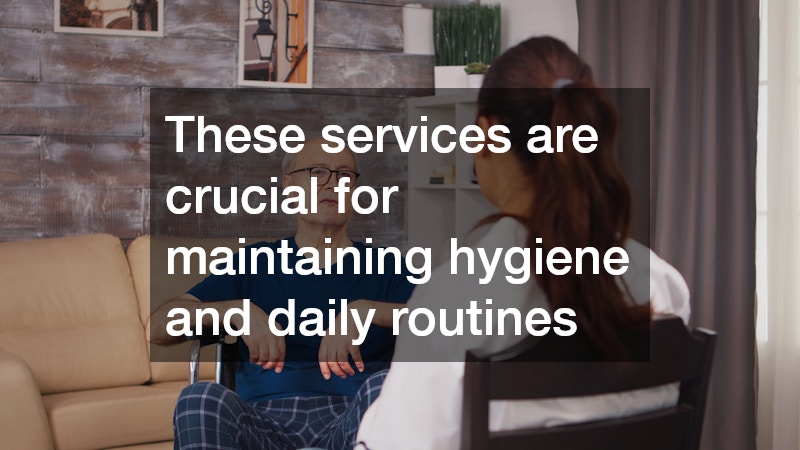
There are several types of home care services available that cater to different needs. Personal care services involve assistance with daily activities such as bathing, dressing, and meal preparation.
These services are crucial for maintaining hygiene and daily routines.
Identifying Your Home Care Needs
Accurately identifying your home care needs is the first step towards receiving tailored care. This involves evaluating your daily activities, health requirements, and personal preferences. An honest assessment helps in determining the necessary level of care and support.
How to Choose a Home Care Provider
Choosing the right home care provider is a significant decision that involves thorough research and comparison. Key factors to consider include the provider’s reputation, range of services, costs, and accreditation. Accreditation by a recognized body ensures adherence to quality standards.
Another important aspect is finding a provider whose caregivers are compatible with you or your loved one’s personality and specific needs. Many agencies allow you to meet potential caregivers before making a decision, ensuring a good fit. This compatibility can greatly enhance the effectiveness of care.
Home Care Costs and Insurance Coverage
Determining the Cost of Home Care Services
In many cases, home care might involve purchasing or renting medical equipment to facilitate care within the home. These additional expenses should be considered when setting a budget for home care services. Detailed discussions with potential providers can give a clearer picture of the expected costs involved.
What to Know About Health Insurance and Home Care
Health insurance can play a pivotal role in covering certain aspects of home care services, although coverage varies significantly across policies. It is crucial to thoroughly review your insurance policy to understand what home care services are covered. Some insurance plans may cover skilled nursing care, while others focus on personal care aspects.
Preparing Your Home for Care
Ensuring Home Safety and Accessibility
Preparing a home for care involves ensuring it is both safe and accessible for those receiving support. This might entail installing safety features such as grab bars in bathrooms, ramps for wheelchair access, and secure handrails along stairs. Additionally, removing trip hazards and ensuring unobstructed pathways is essential.
Home safety measures extend beyond structural modifications to include practices such as safe medication storage and emergency preparedness plans. These preparations protect both the individuals receiving care and their caregivers. Involving a professional for a comprehensive safety assessment can help identify potential risks and recommend solutions.
Essential Home Modifications for Care
Home modifications are an integral part of preparing for home care, facilitating easier movement and reducing fall risks. Common modifications include widening doorways, installing stairlifts, and lowering kitchen counters for easier access. These changes can significantly enhance the comfort and functionality of the living space.
Setting Up a Care Schedule
A well-structured care schedule is crucial for ensuring all aspects of an individual’s needs are met consistently. This schedule should detail the timing and type of care provided, whether it’s medical assistance, personal care, or therapeutic activities. Such planning ensures that caregivers know precisely what to do and when.
The Role of Family and Caregivers
How Family Members Can Support Caregiving
Family members play a crucial role in supplementing professional caregiving efforts through emotional support, advocacy, and assistance with daily routines. They can reinforce the care plan by maintaining consistent communication with healthcare providers and caregivers. This collaboration ensures that the individual’s needs are constantly addressed and that care strategies are effective.
Providing emotional support involves actively listening to the individual’s concerns, fostering a positive atmosphere, and encouraging independence when appropriate. Families can also engage in activities that boost the morale of the individual, fostering a sense of belonging and security.
Emotional Support for Family Caregivers
Caring for a loved one can be emotionally demanding, requiring family caregivers to cope with intense feelings while maintaining their responsibilities. Providing emotional support is vital to ensure they don’t feel isolated or overwhelmed. Encouraging transparency in expressing feelings and concerns can prevent emotional strain.
Training and Resources for Family Involvement
Training and resources equip family members to effectively participate in home care activities. Workshops, online courses, and local training sessions offer valuable skills in areas like basic medical care and seamlessly integrating technology in the caregiving process. These programs enhance confidence and competency in providing care.
Assessing Quality and Progress in Home Care
Key Indicators of Quality in Home Care
Quality in home care is determined by measuring specific indicators that reflect the effectiveness and satisfaction of the services provided. These include the timeliness of care, caregiver knowledge and competence, and outcomes such as the individual’s health improvements or stability.
Care providers should conduct regular quality assessments and document findings to track progress and identify areas for improvement. Engaging the individuals receiving care and their families in this evaluation can yield honest feedback and insights.
About the Author