

Access to reliable health, wellness, and home services plays a major role in how people protect their comfort, mobility, and long-term quality of life. These services support daily routines, preventive care, and long-range planning, helping individuals address needs before they become disruptive. When the right resources are available, people are better positioned to manage physical changes, maintain independence, and support overall well-being across different stages of life.
Health and home-related decisions are often interconnected, even when they appear separate on the surface. Physical mobility can influence home safety, while indoor environments can affect respiratory comfort and energy levels. Preventive care, movement support, and home maintenance all contribute to a more stable lifestyle by reducing uncertainty and promoting consistency. When individuals take time to understand available services, they gain greater control over how they respond to evolving needs.
Planning ahead also allows families to make thoughtful choices rather than rushed decisions during stressful situations. Proactive awareness supports better scheduling, financial preparation, and coordination across services that affect daily living. By viewing health, wellness, and home care as part of a broader system, individuals can create routines that support comfort, confidence, and long-term stability.
Insurance Services That Support Long-Term Security
Financial protection through comprehensive insurance services plays an essential role in ensuring stability, especially when facing unexpected situations related to health or home life. Different types of coverage options are designed to help individuals manage and offset costs associated with medical care, wellness services, and various long-term support needs. These options empower people by allowing them the freedom to seek necessary assistance promptly and without the worry of incurring overwhelming costs. The right insurance plans make routine healthcare more accessible and achievable while simultaneously offering protection against major disruptions that might otherwise cause considerable distress and instability.
From a practical standpoint, the type of insurance policy someone holds can significantly determine the range and availability of services they are able to access and the frequency with which they can use them. For instance, insurance policies might encompass provisions for preventive health screenings, regular therapy visits for mental health, or even in-home support care for those who need it. These elements are crucial as they actively shape long-term planning decisions that individuals must consider as they look to the future. It is advisable for individuals to review their insurance coverage regularly. This practice helps ensure that the benefits provided align with their shifting needs, changing lifestyles, and evolving health priorities as time progresses. As life circumstances change, updating coverage can help alleviate potential financial burdens and foster a sense of confidence and preparedness when the time comes to make important healthcare decisions. This proactive approach can make a world of difference in individuals’ lives, promoting peace of mind and reinforcing their long-term security and well-being.
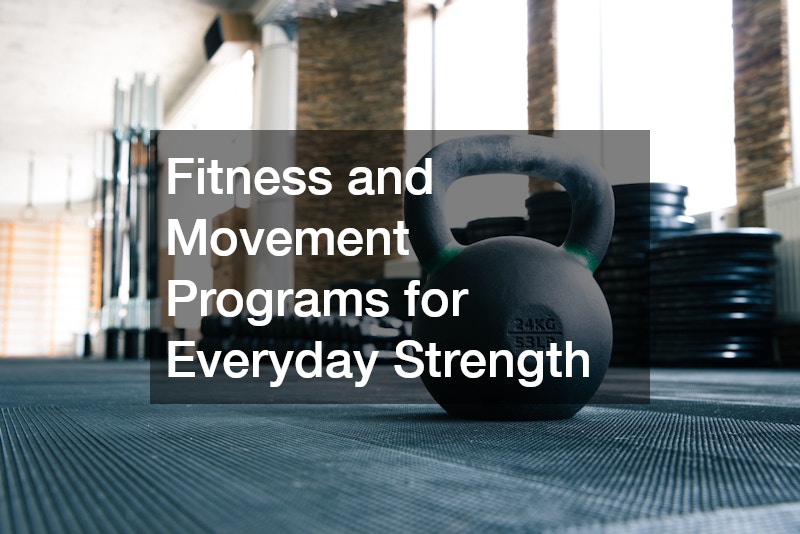
Fitness and Movement Programs for Everyday Strength
Engaging in regular physical activity is a vital component of maintaining a healthy lifestyle, as it plays a significant role in supporting three key elements: strength, balance, and flexibility. Each of these elements is crucial for various reasons. Firstly, building and retaining strength helps in executing day-to-day tasks with ease, minimizing fatigue, and boosting overall functionality. Balance is essential because it aids in preventing falls, especially as one ages. It also contributes to smoother movement in daily activities. Flexibility allows for an extensive range of motion within the joints, which not only makes everyday motions more comfortable but also lessens the risk of injuries. Together, these components are fundamental in maintaining independence and ensuring safety in daily life. Movement-based programs are designed to address these needs consistently, focusing on enhancing posture, which is vital for proper alignment and reducing stress on the body. They also improve coordination, enabling better synchronization of body movements, and build endurance, which helps individuals partake in activities for extended periods without feeling worn out. As these programs are incorporated regularly into one’s routine, they contribute to elevated energy levels, which makes tackling daily challenges more manageable. Moreover, they encourage healthier daily habits, which can transform one’s overall lifestyle into a more vibrant and fulfilling experience.
Delving more deeply, the integration of fitness equipment into exercise regimens serves to refine and enhance these structured routines. Such equipment, ranging from simple tools like resistance bands to more complex machines like treadmills or weight machines, provides focused resistance. This resistance is crucial for targeted muscle strengthening and promotes controlled movement, which is imperative in maintaining form and safety during exercise. These equipment-based workouts facilitate concentration on specific muscle groups, thereby ensuring a well-rounded and balanced approach to fitness. When integrated thoughtfully, these routines can foster gradual strength gains, ensuring that muscles develop progressively to avoid shock and injury. They also instill adaptability, teaching the body to adjust to new challenges over time.
Hearing Tests That Protect Long-Term Communication
Clear communication plays a vital role in social connection, workplace performance, and overall quality of life. Changes in hearing often occur gradually, making them easy to overlook until daily interactions become challenging. Proactive attention to auditory health supports continued engagement and reduces frustration linked to missed sounds or misunderstood conversations.
Routine hearing tests allow providers to identify subtle changes before they interfere with daily activities. These evaluations establish a baseline that can be referenced over time, making it easier to track shifts in hearing ability. Early assessment supports better planning and timely intervention when needed. Regular monitoring is especially valuable for individuals exposed to occupational noise, age-related changes, or recurring ear health concerns.

Dental Care Services That Promote Oral Health
Oral health plays a meaningful role in overall well-being, influencing far more than appearance alone. The condition of teeth and gums can affect daily functions such as eating, speaking, and maintaining proper nutrition. When oral care is neglected, issues like pain, infection, and inflammation can develop, often disrupting comfort and daily routines. Preventive attention supports long-term wellness and helps reduce the likelihood of avoidable complications.
Consistent oral hygiene habits contribute to both physical comfort and personal confidence. Maintaining these routines can support a positive self-image while reinforcing healthy behaviors across all stages of life. Children benefit from early habits, adults maintain function and comfort, and older individuals often rely on consistent care to preserve oral stability. These practices help create a foundation that supports health well beyond the mouth.
Dentist offices play an essential role in maintaining oral health through structured preventive care. Regular cleanings, comprehensive examinations, and early intervention allow potential concerns to be identified before they progress. Addressing issues such as decay or gum irritation early often reduces discomfort and helps avoid more extensive treatment later. Routine visits also provide continuity of care, which supports better long-term outcomes.
Ongoing appointments also create opportunities for patient education and guidance. Dental professionals can offer practical instruction on brushing, flossing, and maintenance strategies tailored to individual needs. This shared knowledge empowers people to take a more active role in their oral care. Staying consistent with preventive visits supports comfort, reduces disruption, and promotes lasting oral health over time.
Vascular Clinics Focused on Circulation and Prevention
Healthy circulation supports every major system in the body, delivering oxygen and nutrients where they are needed most. Vascular health influences mobility, healing, and endurance, particularly as people age or manage chronic conditions. Paying attention to circulation can help reduce the risk of discomfort and long-term complications tied to reduced blood flow.
A local vascular clinic offers focused evaluations and treatment strategies related to circulation concerns. These facilities often emphasize early detection, monitoring, and ongoing management to support long-term vascular health. Access to nearby care makes it easier to attend follow-up visits and maintain consistency. Regular evaluations support timely adjustments to care plans and encourage proactive management of circulation-related conditions.
Air Duct Maintenance That Improves Indoor Air Quality
Indoor air quality plays a significant role in overall comfort, respiratory health, and long-term well-being, particularly for individuals who spend extended time indoors. Over time, airborne particles such as dust, pollen, and pet dander can circulate through ventilation systems and settle within ductwork. When left unaddressed, these particles may contribute to discomfort and inconsistent airflow throughout the home.
Understanding the benefits of air duct maintenance helps homeowners make informed decisions about indoor environments. Regular inspections and cleaning support cleaner air circulation and help systems operate more efficiently. Improved airflow can contribute to more even temperatures and reduced strain on heating and cooling systems. Over the long term, maintenance supports a healthier living space and helps homeowners manage indoor comfort more effectively.

Pilates Classes That Support Balance and Core Stability
Controlled movement and body awareness are essential for maintaining strength, flexibility, and coordination as physical needs change over time. Pilates-based exercise emphasizes precision and control, making it accessible to individuals with varying ability levels. This form of movement supports posture, joint stability, and functional strength needed for everyday activities.
A structured pilates class provides guided instruction that emphasizes proper alignment and breathing techniques. Instructors help participants adjust movements to support individual goals while minimizing strain. Over time, consistent participation can lead to improved balance, stronger core muscles, and increased confidence in movement. These benefits support safer physical activity and contribute to long-term mobility and physical resilience.
Home Care Services That Assist Daily Living
Supportive services allow individuals to remain comfortable and independent in familiar surroundings while managing daily responsibilities. Assistance with routine tasks can reduce physical strain and help maintain consistent schedules that support emotional well-being. Reliable support also provides reassurance for families who want loved ones to remain safe at home.
Home care offers personalized assistance that adapts to changing needs over time. Services may include help with mobility, meal preparation, or household tasks, depending on individual circumstances. Flexible care arrangements allow support levels to increase or decrease as needed. Having dependable assistance in place helps individuals maintain dignity, comfort, and a sense of control in their daily lives.
Movement and Disorder Centers for Ongoing Mobility Support
Maintaining mobility is essential for independence, comfort, and overall quality of life. Conditions affecting movement can influence balance, coordination, and daily function, making access to specialized care an important part of long-term wellness planning. When mobility challenges are addressed early, individuals often have more options for managing symptoms and maintaining daily routines with fewer disruptions.
A movement and disorder center focuses on evaluating and managing conditions that affect physical function and coordination. These centers often provide targeted assessments, therapy recommendations, and ongoing support plans designed around individual needs and abilities. Consistent monitoring allows adjustments to be made as conditions change, helping individuals maintain confidence in their movement. Access to structured support can also reduce the risk of falls, improve functional independence, and support long-term mobility goals.
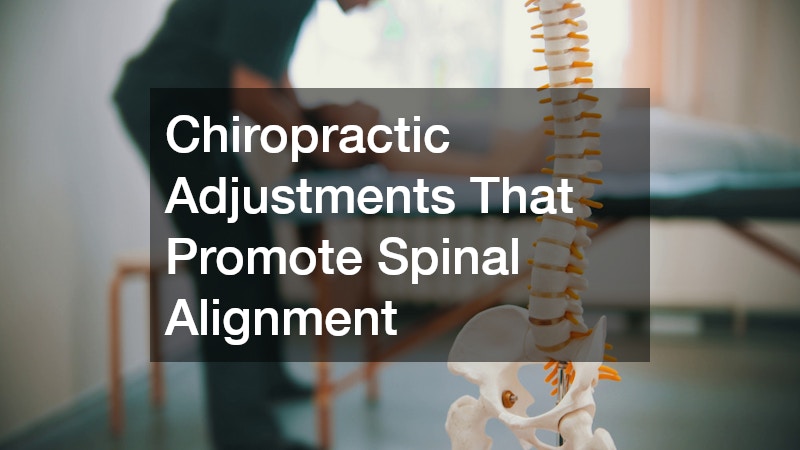
Chiropractic Adjustments That Promote Spinal Alignment
Spinal health plays a key role in posture, movement, and physical comfort throughout daily life. When the spine is not functioning as intended, discomfort can develop gradually and affect everything from mobility to overall energy levels. Addressing spinal concerns proactively supports better movement patterns and helps reduce strain on surrounding muscles and joints.
A chiropractic adjustment focuses on restoring joint mobility and improving spinal alignment through controlled, hands-on techniques. These adjustments are often used to address stiffness, limited range of motion, or postural concerns that develop over time. When incorporated into a broader wellness approach, chiropractic care may support improved flexibility and comfort. Regular evaluations allow care plans to adapt as physical needs change, supporting ongoing musculoskeletal health.
Protecting health, comfort, and lifestyle requires a thoughtful approach that looks beyond single solutions. When wellness, preventive care, and home-focused services are considered together, individuals are better equipped to manage change and maintain independence. Each service plays a distinct role in supporting physical well-being, daily comfort, and long-term planning, especially as needs evolve over time.
By understanding how these resources work individually and collectively, people can make informed decisions that support their needs today and in the future. Proactive planning encourages consistency, reduces uncertainty, and supports smoother transitions during life changes. With the right combination of services in place, individuals can focus more on daily living and less on managing unexpected challenges, creating a more stable and sustainable quality of life.
About the Author