

Runners subject their lower extremities to intense, repetitive impact forces that routinely reach three to four times their total body weight with every single footstrike. Over time, inadequate, degraded, or unyielding running surfaces fail to absorb kinetic energy, transferring these damaging impact loads directly into bones, tendons, ligaments, and joint cartilage. Partnering with professional track surfacing companies allows athletic directors, municipal planners, and sports facility managers to engineer specialized running tracks that effectively absorb shock, deliver precise traction, and significantly reduce the incidence of severe, career-threatening runner injuries.
Understanding Surface-Induced Running Injuries
Inadequate, worn, or improperly installed running tracks contribute heavily to both acute traumatic injuries and chronic, debilitating overuse syndromes that can sideline athletes for months:
-
Stress Fractures and Shin Splints: Unyielding surfaces, such as aged asphalt, unpadded concrete, or worn-through synthetic layers, fail to attenuate impact shock. This causes repetitive micro-fractures in the tibia, fibula, and metatarsals, alongside painful periosteal inflammation along the lower leg.
-
Plantar Fasciitis and Achilles Tendonitis: Inconsistent surface elasticity forces the foot, arch, and calf muscle complex to overcompensate during the propulsion phase of the stride. This excessive biomechanical strain leads to severe soft-tissue inflammation, micro-tearing, and chronic heel pain.
-
Ligament Sprains and Joint Instability: Slick, uneven, worn, or delaminated track surfaces lead to sudden foot slippage or unexpected toe-trapping. These sudden shifts frequently cause acute ankle sprains, hyperextensions, and severe knee ligament damage, including ACL and MCL tears.
How Professional Track Surfacing Engineers Safety
1. Engineered Shock Absorption and Energy Return
Professional track surfacing companies utilize advanced polyurethane elastomer and specialized rubber formulations designed to meet strict World Athletics performance specifications. These synthetic systems feature controlled force reduction, absorbing initial heel-strike impact to shield joints while simultaneously returning kinetic energy to support natural, biomechanically efficient stride mechanics.
2. Optimized Friction and Slip Resistance
Maintaining a uniform, precisely calibrated coefficient of friction across the entire running surface prevents both dangerous foot slippage and excessive foot lock. Professional installers utilize fine EPDM (Ethylene Propylene Diene Monomer) rubber granules embedded in specialized, UV-resistant binders to ensure consistent, reliable traction in both dry conditions and heavy rain.
3. Seamless, Point-Elastic Uniformity
Unlike traditional asphalt, packed dirt, or segmented rubber tile surfaces that develop structural cracks, open seams, and dangerous potholes over time, professional pour-in-place track systems create a continuous, seamless surface. This point-elastic uniformity ensures that every single square inch of the track provides identical force reduction, preventing micro-traumas caused by uneven foot strikes.
Primary Types of Athletic Track Surfacing Systems
-
Permeable Base-Mat Systems (Poured-in-Place): Consisting of a resilient SBR (Styrene-Butadiene Rubber) base layer bound with high-grade polyurethane and topped with a durable spray-applied coating. This cost-effective option offers reliable shock absorption and excellent surface drainage for high schools, middle schools, and recreational community parks.
-
Dual-Layer Sandwich Systems: Featuring a heavy-duty, paved rubber base-mat beneath a solid, seamless polyurethane top layer heavily embedded with premium EPDM granules. This highly durable system delivers superior force reduction, intense spike resistance, and exceptional weather resistance for collegiate and competitive facilities.
-
Full-Pour Solid Polyurethane Systems: Built with multiple continuous layers of solid polyurethane liquid elastomer and high-density EPDM granules. Designed specifically for elite international competition, full-pour systems offer unmatched operational longevity, maximum force attenuation, and superior athletic performance under heavy daily use.
Comprehensive Maintenance Protocols to Preserve Surface Integrity
To prevent gradual surface hardening, dynamic force reduction loss, and physical material degradation over years of heavy use, track surfacing companies recommend a structured preventative care regimen:
Regular Debris and Organic Material Removal
Leaves, dirt, tree sap, and organic debris retain moisture and promote aggressive algae growth, which rapidly degrades the chemical bonds of synthetic binders and creates severe slip hazards for runners. Weekly power-blowing and routine soft-brush sweeping prevent dangerous surface contamination and maintain pristine grip levels.
Periodic Deep Cleaning and Pressure Washing
Accumulated mud, body oils, airborne pollen, and fine silt gradually clog porous track systems, impairing water drainage and altering the surface’s elastic force reduction properties. Professional low-pressure washing removes deeply embedded contaminants without stripping or damaging top-layer rubber granules.
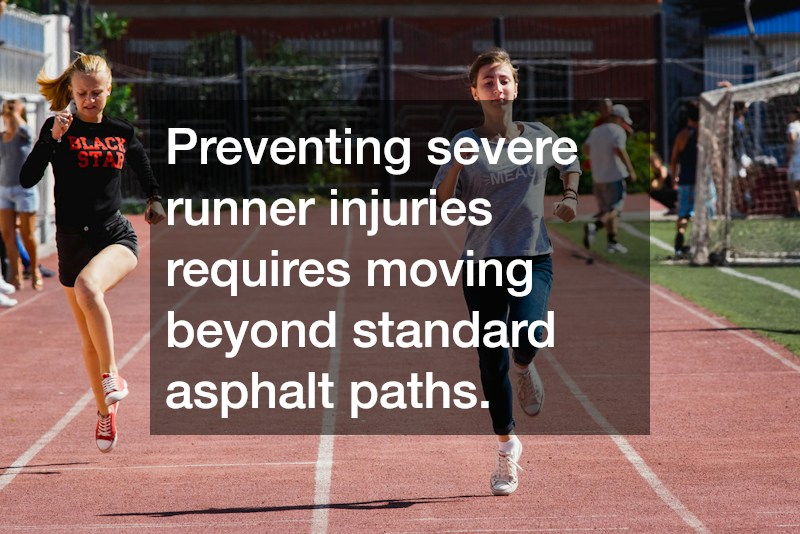
Preventing severe runner injuries requires moving beyond standard asphalt paths toward scientifically engineered, professionally installed athletic surfaces. Partnering with a dedicated track surfacing company ensures your facility benefits from optimal shock absorption, precise friction control, seamless construction, and long-lasting durability. By investing in a high-quality, properly maintained track system, facility managers protect their athletes from debilitating impact injuries while creating an elite training environment built for peak athletic performance.

About the Author